Let’s Talk About Men’s Mental Health
This Movember, it’s not just about facial hair — it’s about starting a conversation about mental health. Too often men are told to “tough it out” or “man up.” But real strength means knowing when to speak up and ask for help. According to the Anxiety and Depression Association of America (ADAA), over 6 million men in the U.S. experience depression each year, and more than 3 million live with panic disorder, phobias, or related anxiety conditions.
Yet, many men never seek treatment. Why the silence? Men face unique challenges when it comes to mental health — including stereotypes about masculinity. As the ADAA explains, depression in men may be masked by work obsession, substance use, physical complaints, or risk-taking behavior.
And according to the Centers for Disease Control and Prevention and other research, men are far more likely to die by suicide than women, even though they may attempt it less often (Journal of Ethics).
What to Recognize
Some of the signs that a man may be struggling include:
- Noticeable changes in mood, appetite, energy, or sleep.
- Increased irritability, risk-taking behavior, or substance use.
- Persistent physical complaints (like headaches or digestive issues) with no clear cause.
- Withdrawal from social settings or “just being off.”
- Feeling hopeless or thinking, “I should be able to handle this myself.”
What We Can Do
This Movember (and beyond), let’s commit to shifting the narrative:
- Speak up: Reach out and ask how someone is really doing. “How are you?” can mean more than you think.
- Normalize help-seeking: It’s okay — and strong — to ask for support. Use resources available, like helplines, or talk to a professional.
- Change how we talk about men’s mental health: Avoid phrases like “just a man’s problem” or “boys don’t cry.” Let’s invite honesty instead of shutting it down.
- Take action: If you’re a guy reading this and you’re dealing with more than just a bad day — reach out sooner rather than later.
- Support each other: Friends, family members — you matter too. If you notice someone changing, invite them to talk.
Why This Matters
When we overlook men’s mental health, the consequences are severe. Without intervention, conditions like depression and anxiety can worsen, and the risk of suicide heightens. But the good news: early support works. With proper awareness and care, outcomes improve (National Institute of Mental Health).
Join Us
This month, as you consider growing the beard or skipping the shave, also consider growing compassion — for yourself, for your brothers, your dads, your friends. Let’s make space to talk, to listen, to support. Because men’s mental health is health.
👉 For more information and resources on men’s mental health, visit: ADAA Men’s Mental Health page
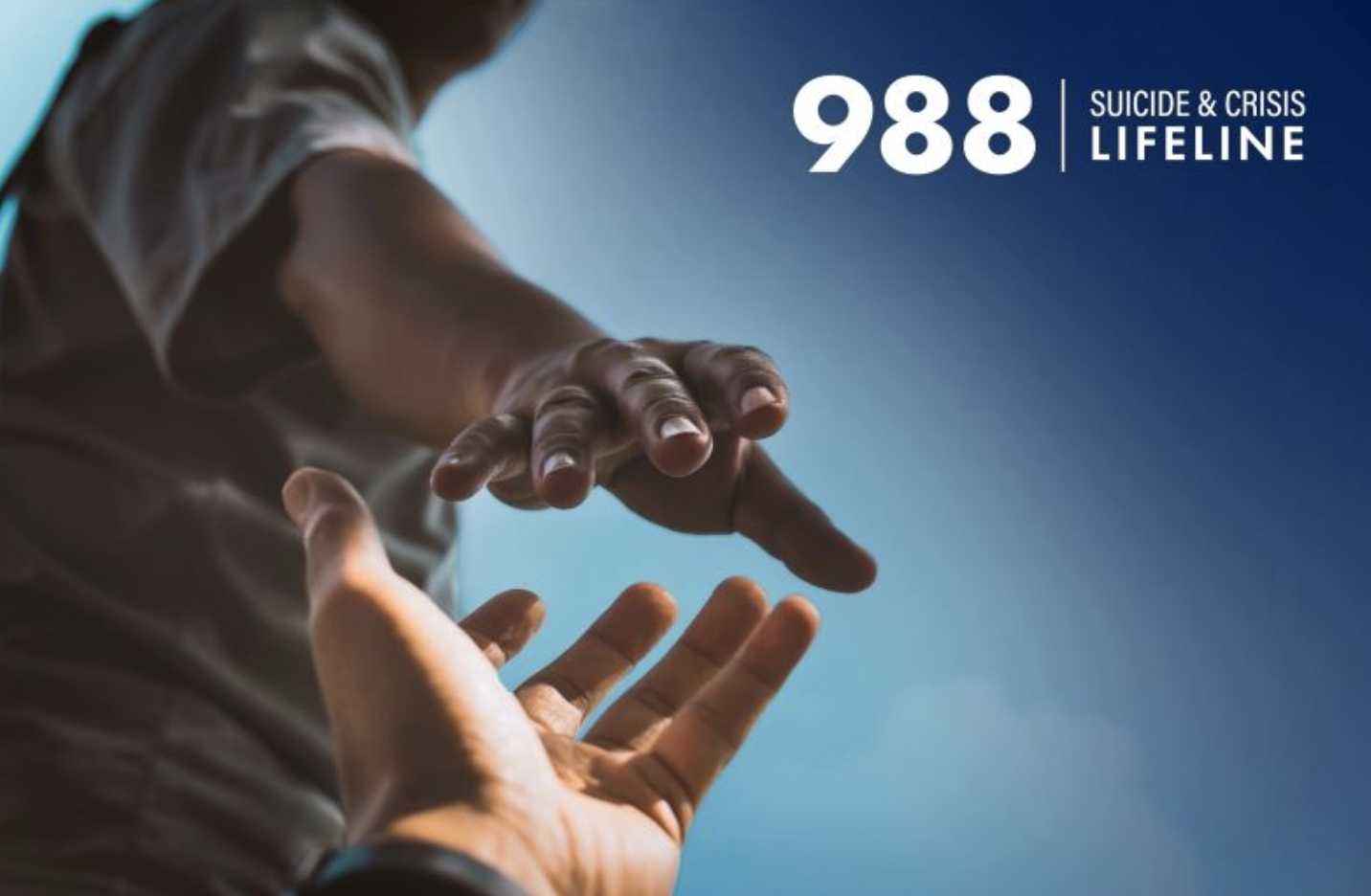
If you or someone you know is in crisis — you are not alone. Talk to someone, call or text 988 (available 24/7 in the U.S.).